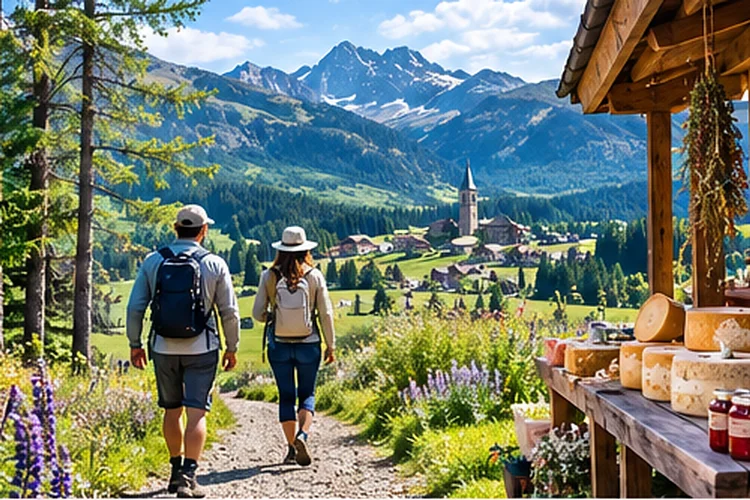
Picture a mountain town in July. The ski lifts are silent, hotel rooms are discounted, and most visitors assume there is nothing to do. Yet the same town has forest trails, local cheesemakers, evening storytelling, and artists who work there all year.
Understanding How Destinations Build Experience Economies means seeing these overlooked assets as opportunities. Instead of relying on one famous attraction or a short holiday rush, destinations can create activities that fit different seasons and traveler interests.
The challenge is designing a portfolio that earns money, protects local life, and stays enjoyable when demand changes.
Build a Portfolio Instead of One Headline Attraction
Traditional tourism marketing often revolves around a beach, monument, or scenic viewpoint. That can attract first-time visitors, but it also concentrates spending and crowds around a narrow set of places.
Experiential tourism works differently: a destination offers several reasons to visit, from learning a craft to joining a guided nature walk. Each activity can appeal to a different audience and travel period.
The OECD’s 2026 tourism analysis reports that roughly 40% of tourist nights across OECD countries occur during the three busiest months. Developing off-season experiences won’t erase that imbalance, but it can make businesses less dependent on one peak.
Match Activities to the Rhythm of Local Life
Every season has a story to tell. A rural region might offer spring planting visits, summer cycling, autumn harvest workshops, and winter cooking sessions. Build around existing traditions rather than invented tourist spectacles.
Treat Quiet Months as Design Opportunities
Ask hosts which months offer free capacity and suitable conditions. Test small workshops before investing in facilities.
Booking.com’s 2025 travel predictions found that 62% of surveyed travelers were considering trips to darker-sky destinations. That suggests potential for nighttime tours where weather and trained guides allow.
Plan night walks around safety and resident needs.
Create Partnerships That Keep Spending Nearby
A destination experience doesn’t need to be owned by a major tour operator. Hotels can introduce guests to local makers, transport providers can connect activities, and small restaurants can create meals around regional ingredients.
The Adventure Travel Trade Association’s 2025 operator survey reported that about 76% of the price of respondents’ most popular itineraries went to local suppliers. That finding isn’t representative of all tourism, but it illustrates local spending potential.
Put the Partnership in Writing
Agree on who handles bookings, customer support, payment timing, and refunds. Transparent commissions show providers what they actually earn.
Avoid making hosts absorb every last-minute cancelation or promotional discount. Fair agreements make a partnership more likely to survive beyond its first busy season.
Price the Experience Around Real Costs
A ticket price should cover much more than the hour guests spend with a guide. Hosts may need preparation time, supplies, insurance, transport, equipment upkeep, and a booking commission.
Imagine a pottery session charging $45 per person for eight guests. That produces $360 in gross sales, not $360 in profit. If materials cost $80, the facilitator receives $160, and venue and transaction costs total $70, only $50 remains before other overhead and taxes.
Track the economics of each activity seperately so a popular product doesn’t quietly lose money. Offer private sessions or bundled packages only when their margins and staffing requirements make sense.
Protect Community Trust and Visitor Experience
A thriving experience economy can still create problems when tours enter residential lanes, disturb protected sites, or use local traditions without permission. More activities aren’t automatically better activities.
The OECD stresses local participation and fairer tourism benefits. Destination teams should involve residents in route design, set group-size limits, and make it easy to raise concerns.
The Global Sustainable Tourism Council also recommends monitoring visitor pressure and protecting intangible cultural heritage. An authenic experience depends on people feeling respected, not being treated as scenery.
Build accessiblity into product design where possible, with honest information about steps, noise, seating, and language options. That reduces surprises for guests and hosts.
Measure Success Beyond Ticket Sales
Start with practical indicators: bookings per activity, contribution margin, repeat participation, off-season revenue, local supplier payments, and guest satisfaction. Add resident feedback and pressure on sensitive locations to understand costs that don’t show in ticket income.
A small pilot can reveal a lot. If a winter food tour attracts 30 guests a month at $60 each, that’s $1,800 in gross ticket sales; evaluate staffing and operating costs before celebrating success.
Review results every quarter, adjust the experience calender, and retire activities that don’t deliver value. Aim for a reliable mix, not an overcrowded event schedule.
Year-round experience economies grow from variety, fair partnerships, thoughtful pricing, and respect for the place itself. Seasonal activities can spread opportunities beyond a destination’s busiest weeks, but only when local people help shape them.
Choose one underused season, launch two small experiences, and measure the real returns. Keep what works, improve what doesn’t, and let the destination’s character guide the next step.