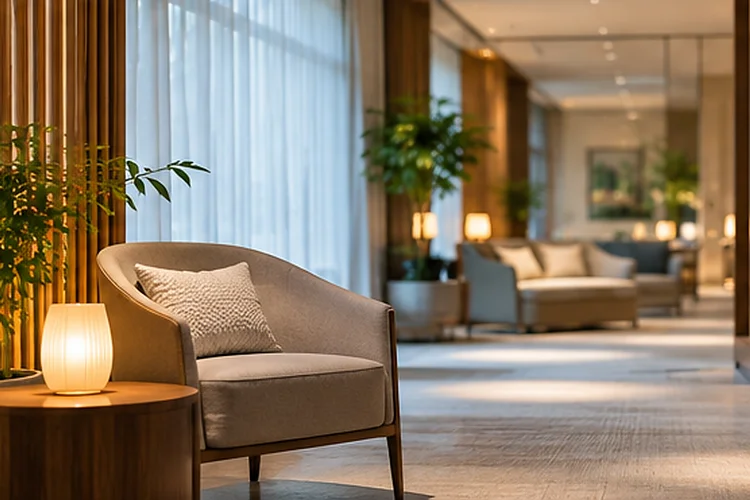
Imagine arriving at a resort after a tiring journey. The lobby is crowded, background music is loud, and bright decorative lights flash above reception. For some travelers, these details are simply part of the atmosphere. For others, they can make checking in exhausting.
Designing Guest Journeys around sensory needs means recognizing that comfort looks different for everyone. Some guests prefer quiet environments, while others need clearer visual information, predictable routines, or alternative communication methods.
Hotels don’t need to remove every sensory experience. They need to offer meaningful choices that help travelers enjoy their stays comfortably.
Understand That Sensory Needs Are Different
Sensory accessibility involves more than reducing noise. Travelers may experience differences in how they process sound, lighting, touch, smells, movement, or visual information.
Autistic guests, people with sensory processing differences, and travelers with hearing or visual impairments may have different requirements. Importantly, people within the same group don’t necessarily want identical arrangements.
The National Autistic Society explains that unfamiliar environments and changes in routine can create difficulties for some autistic travelers. Its holiday guidance recommends planning ahead, understanding potential sensory triggers, and arranging suitable adjustments.
Hotels should focus on individual preferences instead of creating assumptions based on a diagnosis.
Ask guests which adjustments would help, and let them decide how much personal information they want to share.
Make the Experience Predictable Before Arrival
Uncertainty can make traveling more demanding. Guests may wonder whether the lobby will be noisy, where breakfast takes place, or whether their room is near an elevator.
Create a Simple Pre-Arrival Guide
Provide photographs of entrances, reception, guest rooms, and dining areas. Explain check-in procedures, expected waiting times, and the location of quieter spaces.
The National Autistic Society recommends visual schedules and environmental previews to help travelers prepare for unfamiliar places.
Hotels can translate that advice into a short digital welcome guide showing what guests should expect.
Include information about construction, scheduled entertainment, and other potentially disruptive activities.
A predictable arrival doesn’t mean every detail must follow a rigid schedule. It means guests receive enough information to make informed choices.
Keep the guide available in accessible formats and update it whenever conditions change.
Reduce Sensory Overload in Shared Spaces
Hotel lobbies, elevators, restaurants, and entertainment areas can contain several competing sources of stimulation.
Music, conversations, strong fragrances, reflective surfaces, and bright lighting may overlap in ways that some guests find uncomfortable.
The Autism Association of Australia recommends considering quieter accommodation, low-sensory environments, and suitable dining arrangements when planning travel.
Offer Different Levels of Stimulation
Hotels could designate quieter seating areas, offer check-in away from crowded reception desks, or provide alternative routes around entertainment spaces.
Imagine a resort with a lively poolside restaurant. Guests who enjoy the atmosphere can stay, while others might prefer an indoor dining room with softer lighting and less background noise.
Both experiences can exist without one being presented as superior.
The goal is flexibility rather than forcing every traveler into the same enviroment.
Give Guests More Control Over Their Rooms
Guest rooms should provide a comfortable place to rest after unfamiliar activities. However, fixed lighting, strong scents, and constant background noise can make relaxation difficult.
Adjustable lights, effective curtains, simple climate controls, and clearly labeled switches allow travelers to shape their surroundings.
UPMC’s guidance on traveling with sensory processing issues suggests asking hotels about quiet rooms, unscented cleaning products, room refrigerators, and bedding materials.
These examples show how relatively ordinary hotel features can become important accessibility considerations.
Hotels should describe which adjustments are actually available rather than promising a completely sensory-free room.
For example, a guest requesting a quieter room could be placed away from elevators or event spaces when inventory allows.
Offer appropriate alternatives if the preferred room isn’t available.
A well-designed room gives guests control without requiring them to contact reception for every minor adjustment.
Make Communication and Dining More Flexible
Hospitality communication often assumes that guests are comfortable receiving information verbally. That approach can create difficulties for travelers with hearing loss, sensory overload, or different communication preferences.
Offer clear written instructions, visual schedules, and accessible digital messages alongside spoken explanations.
W3C’s cognitive accessibility guidance recommends understandable language, short sentences, clear formatting, and manageable information sections.
These principles can improve hotel menus, activity schedules, and service instructions.
Dining requires similar flexibility. Some guests may prefer simple meals, particular food textures, or a quieter table away from busy service areas.
Provide accurate ingredient information, explain available modifications, and avoid pressuring guests to discuss personal conditions.
A resturant team that listens carefully and confirms requests can prevent unnecessary misunderstandings.
Where possible, coordinate communication preferences between reception, housekeeping, and dining services without sharing sensitive information unnecessarily.
Train Employees and Measure Guest Comfort
Even a beautifully designed facility can feel unwelcoming when employees misunderstand accessibility requests.
Train teams to ask respectful questions, offer practical choices, and avoid assuming that a guest needs assistance simply because they behave differently.
UN Tourism’s accessibility guidelines encourage tourism businesses to develop inclusive services, operational practices, and staff capabilities.
Hotels can apply these principles through role-playing exercises and guest feedback sessions.
Measure What Actually Improves
Track the number of fulfilled adjustment requests, recurring sensory complaints, and guest satisfaction with available alternatives.
For example, a property could test quieter breakfast hours for one month and compare feedback with previous periods.
Evaluate operational feasibility alongside guest comfort. A change is valuable when it delivers a relevent improvement without creating new accessibility barriers.
Invite travelers with different sensory needs to review the experience and compensate them for their input.
Designing Guest Journeys around sensory needs creates hospitality experiences that are more flexible, understandable, and comfortable.
Clear information, adjustable spaces, respectful communication, and trained employees allow guests to choose what works for them.
Begin by identifying one potentially overwhelming part of your hotel experience. Test practical alternatives with guests, collect feedback, and make inclusive comfort part of your everyday service standards.